Nearly Done

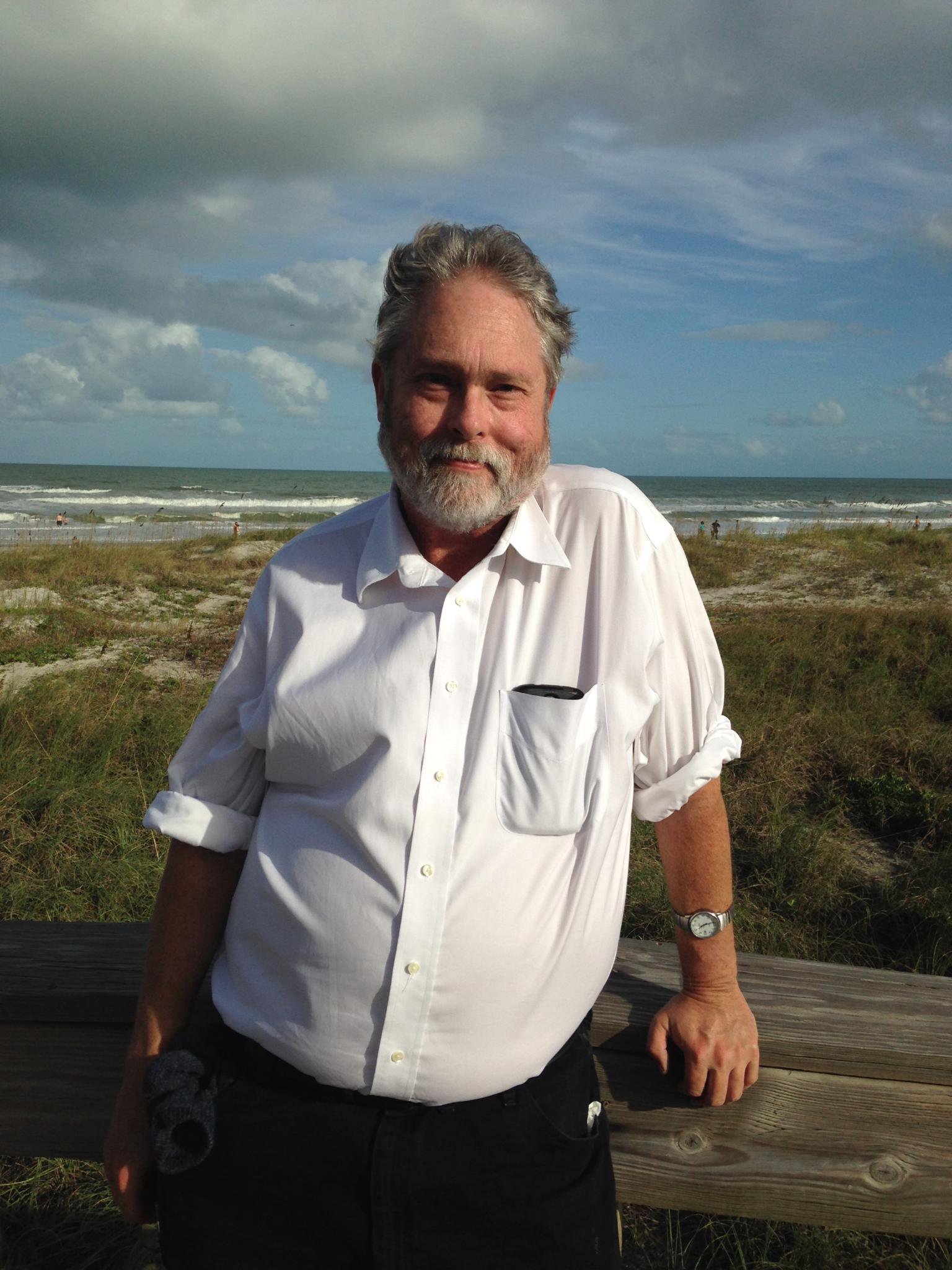
This time I visit myself not long ago while I was still on the job

On a Sunday afternoon after church, the old pastor goes to the hospital to sit with the new widow.  Her husband, who suffered lifelong depression, had just carried out an oft-repeated threat and shot himself.

The pastor steps into the room and sees her sitting by the bed where the body lies, his head wrapped in a bloody rag. The Pastor sits next to her and listens as she shares the untold story of her watching him constantly over the years. If she went anywhere–the store or to church–she hurried back as fast as she could. On this occasion, the husband didn’t give her enough time to get back.    

They sit with the body for hours.  It takes all afternoon for the hospital, the funeral director, and the coroner to tend to the business of this man’s death. Eventually, the time and place of the funeral are set.

Before they take the body, the pastor stands over it and touches his arm. 

“I wish I had known,” he whispers.  “I’m sorry I didn’t help you.”

As the sun sets, everyone leaves the hospital.  As he drives home, the pastor prepares himself for the question the widow will ask him once the funeral is over, the relatives go home, and the shock has worn off:   

“Did my husband go to hell?”

He has had to answer that question many times over the years. He will take the widow’s hand and say quietly, “No, my friend. God does not punish anyone for being ill. Your husband has suffered enough and now is safe with Jesus.”

He doesn’t believe in God or heaven or hell anymore, but she’ll need to hear the words. 

He pulls into the garage. No one else is home. He changes clothes and sits in his recliner as the darkness of the evening sets in. After thirty-five years of this work, the pastor is exhausted and numb.

“Hang on,” I whisper to him, “You’re nearly done.”

Roadside Reacquaintance

We were heading home in Craig’s red Jeep after a long day of attending classes at the university, expecting to arrive home by two a.m.  At midnight we stopped on the shoulder of I20 just outside of Fort Worth so Craig could check something under the hood. 

At that hour, the interstate was pretty quiet. A beat-up sedan pulled up behind us and a young man climbed out. He was barefoot and shirtless. His jeans were too big and he wore no belt so he held them up with one hand.  Inside the car, at least six other young men and women lay tangled together motionless.

He weaved his way toward us.  

“Y’all need any help?” he drawled.

“No thanks,” Craig said, “We’re fine.”  And he slammed the hood down.

“Are you sure? Looks like y’all might be havin’ some trouble.”

Then he looked down, surveying himself, and said,  “I’m sorry I look so bad.”

The six other people in his car stared at us with glassy eyes. 

“We’re ok,”  Craig said. “We were just leaving.”

“Where are y’all headed,” he inquired.

Don’t tell him.  Don’t tell him. Don’t tell him, I prayed.

“Um…, back home” Craig said.

He peered into Craig’s face. 

“What’s your name.”

“Um…,” my friend said again.

You’re CRAIG! Aren’t you?”  

“Yes.”

The boy put out his hand. 

“You remember me?  You once SAVED MY LIFE!” 

It turns out that a few years before, when he was a teen, Craig had counseled him, guiding him past his suicidal ideation. Admittedly, the boy might have needed to work through a few more issues, but at least he was alive.

In fact, countless people are still alive because of Craig’s work. 

Craig slipped into a redneck vernacular to converse with his new/old friend.

“Oh, hell, we’re fine. There’s nothin’ wrong with this Jeep.  I was just checking the oil.” 

Then the guy peered over at me and said, “Do I know you, too?”

“I don’t think so.”

“You might,” Craig said helpfully.  David is a chaplain for Hospice.”

This time he reached out to shake my hand.

“I thought I recognized you! You came to our house when my grandmother was dying. You remember?”

“Sure!” I lied.  “How is everyone in your family…?”

After a few minutes of chitchat, he got back into his car with his still motionless comrades.  We got back into the Jeep and headed for home.

“Do you remember him?” Craig asked.

“Nope,” I said. 

We crossed paths with many people in our respective jobs. Those were intense years and I worked hard every day, sometimes visiting people until late at night. A lot of it is a blur in my memory now.   One of the reasons I write is to remember more clearly.

But sometimes all I remember is the blur.

Grief and Ice Cream

In addition to being the minister for a church in a small town in Central Texas, I was a volunteer for the community’s emergency medical service. One afternoon, a call came in that an accident had occurred at the place that stored seed and fertilizer for the farm community.  When we arrived on the scene we found people digging furiously into tons of fertilizer that had come down when its bin had given way, pouring its contents on top of the man who was standing under it. 

His friends and his two grown sons dug, not even knowing where he was.  Finally, they found him. He wasn’t breathing, and he wasn’t going to, but they tried the defibrillator on him anyway, repeatedly. 

I was horrified at the scene. My eyes filled up and I wanted to sob, but I realized I was supposed to be the helper, so I swallowed back the feelings and went to work.  In addition to being the ambulance driver, I was the chaplain for our team. I went and stood next the two grown sons who watched their father’s crushed body not being revived.  They were big burly young men, shocked and speechless. I don’t remember what I said to them—I think I was trying to be clever.  They just nodded as if they could understand me through their shock.  Then I reached up and hugged each of them, telling them how sorry I was. 

For the rest of that afternoon, I listened to people who had been on the scene—emergency crew and onlookers, all of them needing to process what had happened. 

I was twenty-four years old. 

By early evening I was emotionally exhausted. But my ministerial duties demanded that I attend to one more task: the ice cream social at church.  I’d have much rather sat in a dark room of my house, but I had to go because I was, you know, the minister.

Ice cream and cake were served outside in the courtyard of the church building. Everyone brought their homemade ice cream, except for Frances, who brought Blue Bell and tried to convince us she had made it herself. We didn’t care because we all liked Blue Bell. 

I didn’t feel like joking or smiling or helping.  I got in line and a little boy was in front of me.  He was around five years old, blond, blue eyed, quiet and thoughtful. I helped him fill his bowl and then asked if I could sit with him. He nodded. 

We sat in the cool grass under the evening shade. He and I agreed that homemade vanilla was the best flavor then attended to the business of eating in silence.  I learned that evening that little children are restorative. 

The things I learned that day are:

I have to feel the feelings but keep myself intact so I can help others.

People don’t always need me to speak as much as they need to talk.

Sometimes healing is found in eating ice cream outside with a kid.