Welcoming the Black Man

A casually dressed young man came to my register at the grocery store.  He looked down, occasionally flashing me a sullen, almost angry look as he offered terse responses to my attempt at conversation.  Empath that I am, I absorbed his negativity and I found myself feeling angry, too, and my responses toward him became curter, as well.    

A colleague came over to bag the items, he recognized the young man and greeted him with a big smile. “Hi there, young man,” he boomed. “It’s good to see you again! How have you been?”

The young fellow looked up and became a different person. The tension left his face and he offered a big, wonderful smile at the man who was glad to see him. I found myself warming to him and we began to respond more positively toward each other.   

I forgot to mention that the young man was black and so was my colleague. And just in case you didn’t know it before now… I’m an old white guy.

Not long ago, George Floyd, a black man from Minnesota was killed by a white police officer while other officers watched and did nothing. The event sparked protests throughout the nation. Some of those protests evolved into violent riots.

Racism is the current topic of conversation, surpassing even the COVID pandemic. Once again, the arguments erupt about who is racist and who isn’t,  and who is a victim and who is an oppressor.  On the one hand, I’m angered and tired of the mostly stupid protestations of white people. I’m shocked at how easily we lapse into talking about anything except the violent death of a black man at the hands of a public servant who swore to protect others.

Back to the young Black man who came through my line. For one moment, my colleague made him feel at home, and I wondered… how often does this person get to feel safe?

How would it feel to walk into a grocery store where people watched to make sure I didn’t steal anything?  How would it feel for people to be angry and hostile at me on sight? How would it feel to get into my car and worry that I might be stopped, beaten, and arrested by the police? I’m sure I’d feel pretty angry, but I’d try to keep it tamped down to avoid trouble. Is that how this man felt as he checked out his groceries at my register?  

Repressed feelings tend to come out at some point, and anger can be explosive. 

Now, consider a certain segment of the population, say African Americans, whose ancestors were slaves, whose brothers and sisters are in prison, who are often poorer than white people. Suppose they are told constantly to be quiet and not cause any trouble?

It might be hard to comply. I’m pretty sure I couldn’t. 

I’m overwhelmed at these recent events. I have nothing I can say or do that will help.  I’m just a clerk at the grocery store.  I can’t change the minds of racists. I probably can’t protect people from being mistreated.  But I’ll be as kind and helpful as I can to everyone I meet. And the next time that young man comes through my line, I will focus all my good will and respect toward him. 

This Is Not New

Today’s guest blogger is my wife, Sylvia Kirkendoll, who shares her observations of how racial injustice has changed so little in her lifetime. 

**************

This is not new.  And it shouldn’t be a surprise. The only thing that should shock anyone is that rioting still seems to be a necessary last resort because things have changed so little. 

Sure, many laws and regulations have changed. Opportunities have opened.  We elected a President who is a man of color. But those are only a start. The cancer was treated enough to reduce its outward symptoms for a time but It is still there.  Far too many people are infected with the same bigotries as their grandparents and parents and continue to pass the disease to their children and grandchildren. 
 
It’s usually not quite so blatant as it was in 1971 when buses of black children arriving at the previously all-white junior high school I attended were greeted with jeers and epithets spewing from angry white parents.
 
I’d like to say things have changed since 1978 when I watched a friend save a toddler’s life by snatching her from the path of a bus, only to have the parents react in horror that a black man had the temerity to put his hands on their child.
 
I’d like to say things have changed since 1967 when a neighbor called my mother to warn her that a young black man was trying to sell magazines door-to-door. At the time the call came, Mom was fixing the young man a cup of coffee and they were talking about his plans for college and eventually law school. Mom told the neighbor that no, she’d damned well better not call the police
 
I’d like to say that things have changed since the time the evening news played alternating clips of protests, riots, and white folks blaming it all on agitators who just want to make trouble. Mom went ballistic that time. “It’s a good thing I’m not a black man cause I sure wouldn’t live long. I’d take a gun and kill as many of the white bastards as I could before they got me.” That was more than 50 years ago, but it could be today.
 
Picnicking while black. Jogging while black. Birding while black. Gardening in your front yard while black. Taking out the trash while black. Vacationing while black. It’s just a variation on the same old theme: selling magazines while black, saving a child’s life while black, attending school while black, and on and on and on. 
 
“…I think America must see that riots do not develop out of thin air. … And so in a real sense, our nation’s summers of riots are caused by our nation’s winters of delay. And as long as America postpones justice, we stand in the position of having these recurrences of violence and riots over and over again.” 1967 – Martin Luther King, Jr.
******************
Sylvia Kirkendoll is an artist, photographer, singer, and private pilot. She works for a title company as Manager of Strategic Analytics and is married to David Mercer.
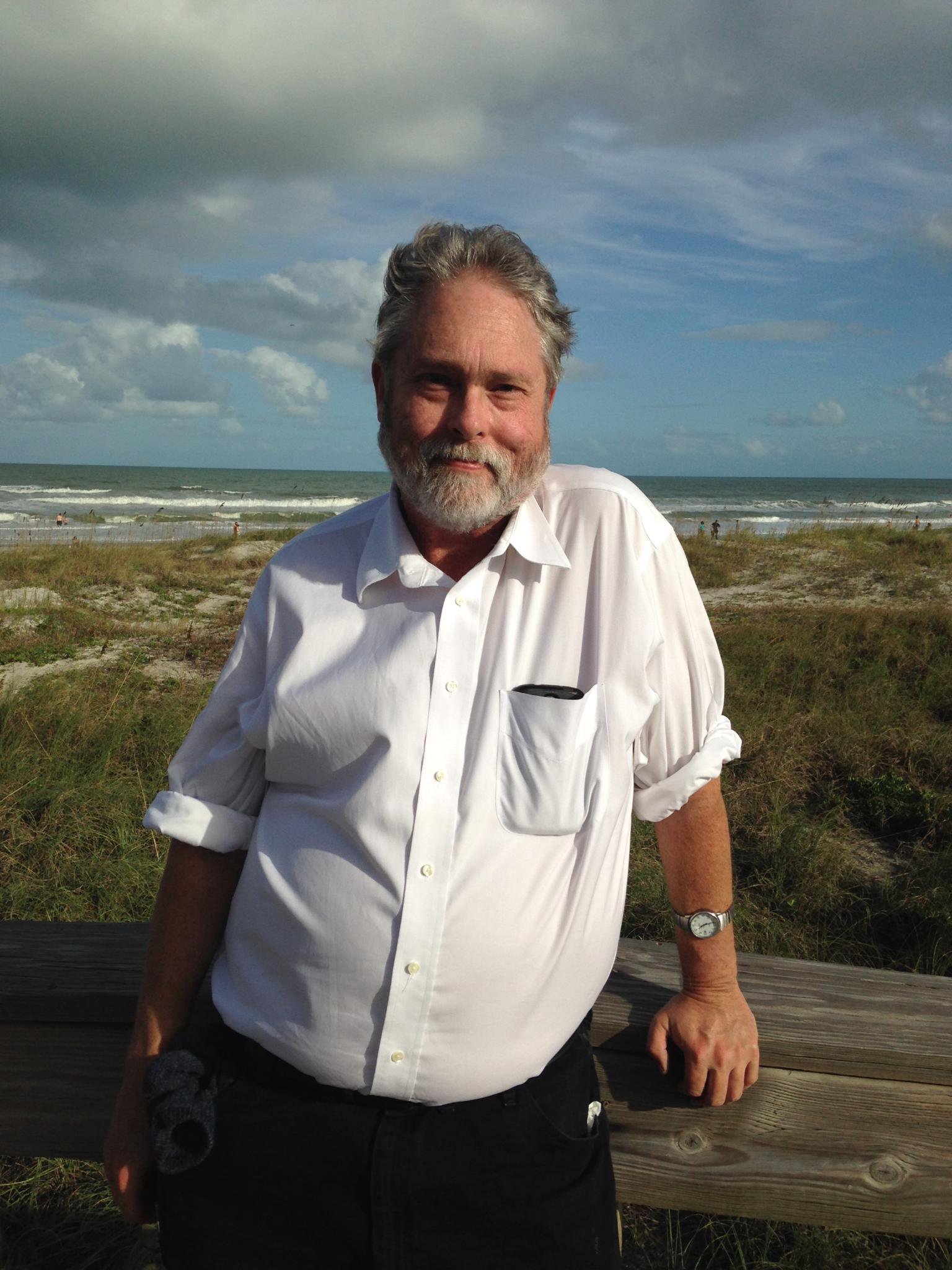
bio pic of sylvia and me
Sylvia Kirkendoll and David Mercer