Evolution and Those Left Behind

I’ve had a recurring nightmare for the last three years: 

The water is deep and after struggling to stay afloat for a long time, I’m about to drown. I see land in the distance. With what little strength I have left, I swim for it.  I don’t think I can make it but somehow I do.

I crawl onto the shore and feel glad to be alive. But then I hear cries for help. I look back to where I had been and see that I left others behind and they still struggle against the deep. 

I shouldn’t have left them. I should dive back in and go get them but I can’t because I am so tired and I can’t survive going out to the deep again.

I wave my arms and yell out to them. “There’s land here!  Swim this way!”

Some don’t hear me. Others hear but refuse to move.  Nevertheless, they continue to cry for help.

I’m out of my mind because I can’t help them.  I should leave and press further inland to explore but I can’t just walk away and leave them behind.  So I sit on the shore and weep as I listen to them cry out.  

And that’s when I wake up.

I still love the people of the church. I cared for them my entire life.  I visited the hospitals, sat with the dying, comforted the grieving, and counseled the troubled.  I helped them when they were in a jam, celebrated with them during happy times, led them to acts of service, and taught them to the best of my ability.  

I didn’t want to leave them behind but I couldn’t be like them anymore.  I assumed that they wouldn’t want me in their lives if they knew how much I’d changed. Some did cut me off. Others haven’t but they don’t know what to do with me. 

Many scientists say that humans come from creatures who lived in the sea and at some point in time, they came up out of the water to live on land.  Maybe that’s what I’ve done mentally—evolved. 

I think it’s fair to say that everyone is evolving at their own pace in their own direction.  Maybe my nightmare is wrong and no one is really drowning but simply making their own way.

And maybe we’re not so far apart that we can’t still engage with each other.  You know: talk… encourage… criticize… challenge… help… even argue. 

Some people hope that I’m going to come back to their religion, but I’m hoping they’ll come forward and join me where I am.  Maybe none of us will change but is there a context where we can talk reasonably? I admit it’s a struggle but isn’t it possible? 
The Fog is Lifting

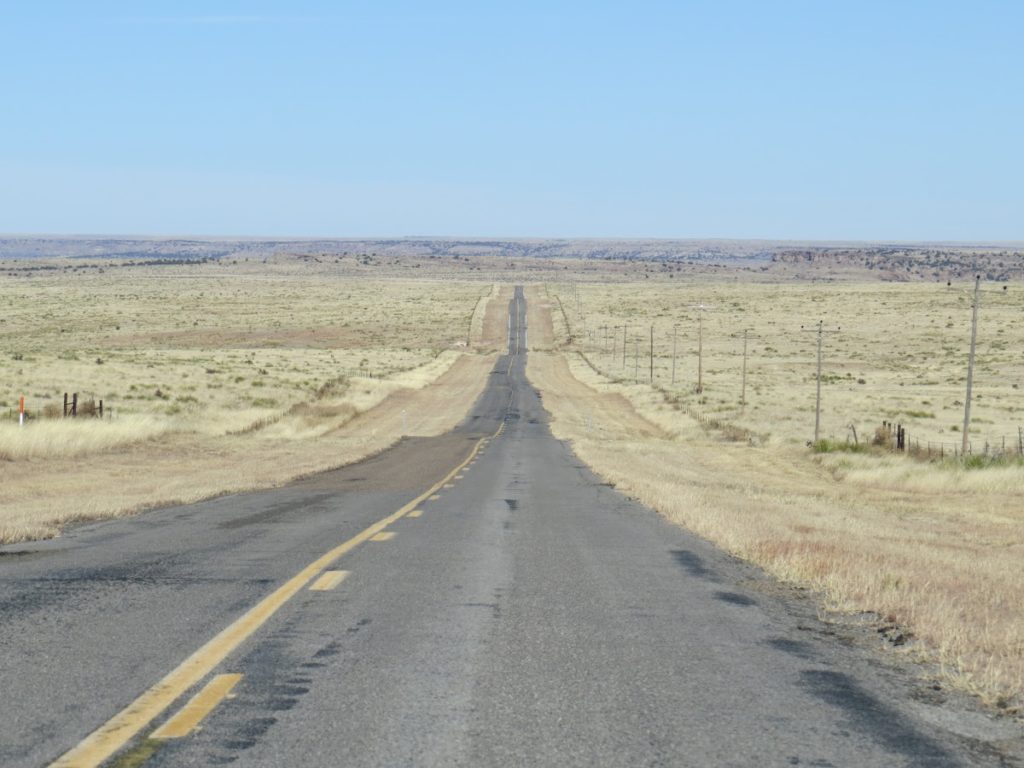
Road on the plainsState-Route-325-1024x768

The sky was clear but my mind was in a fog as I drove across the plains of northwest Oklahoma.  I had just passed my last interview and was headed home. Later in the spring the Bishop would lay his hands on my head during a special worship service and I would be fully ordained in the United Methodist Church.  I had worked so hard for this that I should have been happy.

I mean, I was happy. Really. I think. 

Okay, I was confused.  

I had been a pastor for another more conservative denomination when I transferred to the United Methodist Church.  Although I didn’t qualify for full ordination I could still serve at a small congregation while I completed my credentials.

It took nine years

It takes a lot of effort, education, and aggravation to become fully ordained in the United Methodist Church.  While I worked full time at the church, I also worked on my Master of Divinity, which is twice the size of most master’s degrees (85 credit hours). Then there’s a three year period of examinations, questionnaires, readings, interviews, and an intense psychological profile.

Many people wash out, but I didn’t stop until I was done.  

Like I said, when I was done, I found myself confused.  I should have been pleased but I found myself falling into depression. Eventually, I shook it off and focused on my pastoral duties.

But another nine years have gone by now.

Earlier this week, after a leave of absence, I wrote to the Bishop and my District Superintendent and relinquished my hard won credentials.

I didn’t leave because I was hurt or angry. I didn’t leave because the church is full of flawed people. I didn’t leave over the conflicts that threaten to divide the denomination. I didn’t leave because I was failing at the work.

I left because I finally admitted to myself that I don’t believe God exists.

I tried so hard. Life would have been much easier if I just continued to force myself to believe.

But I couldn’t. 

I still love the people to whom I ministered. I got angry with them at times but the last thing I ever wanted was to hurt them. I still care for them. I still want to help. I miss them.

I just can’t believe with them. 

It has been a long time but the fog is lifting.

What Do I Call Myself?

It’s hard to find the words to describe myself.

Am I a nonbeliever? An agnostic? A heretic?  An infidel?  These terms suggest that I have lost my identity and am reacting erratically  like a bouncing pinball. But I haven’t lost myself. I’m growing up.

 “What happened that made you lose your faith?” asked a friend. 

There was no one event.  Others like me have said it is like “dying from a thousand cuts,” meaning that it happened gradually.

I remember the first time I seriously questioned my belief nearly two decades ago. I was sick and unhappy, and I prayed hard for help.  I didn’t need much–just some kind of reassurance, some indication that the loving God about whom I preached was really there.  It never happened.  How could I not question his existence?  With the exception of one friend, everyone shushed me and told me not to let my mind entertain doubts. 

I did what they told me. I decided that no matter what, I would continue to believe. I continued to develop my career as a minister. I went back to school and got my Master of Divinity.  When I felt doubt I told myself what I told other people: “You still have a choice.”

I chose to believe until I gave up. 

You know what? I lost some friends, a career, and a marriage, but life didn’t end for me. It started to get better.  I started to grow rather than diminish.  A year later, I have a little more peace and feel a little less broken. I have love and happiness. I have new thoughts and new opportunities. 

So back to the question: What do I call myself?

That’s easy.  I am David