The Boy Becomes a Preacher

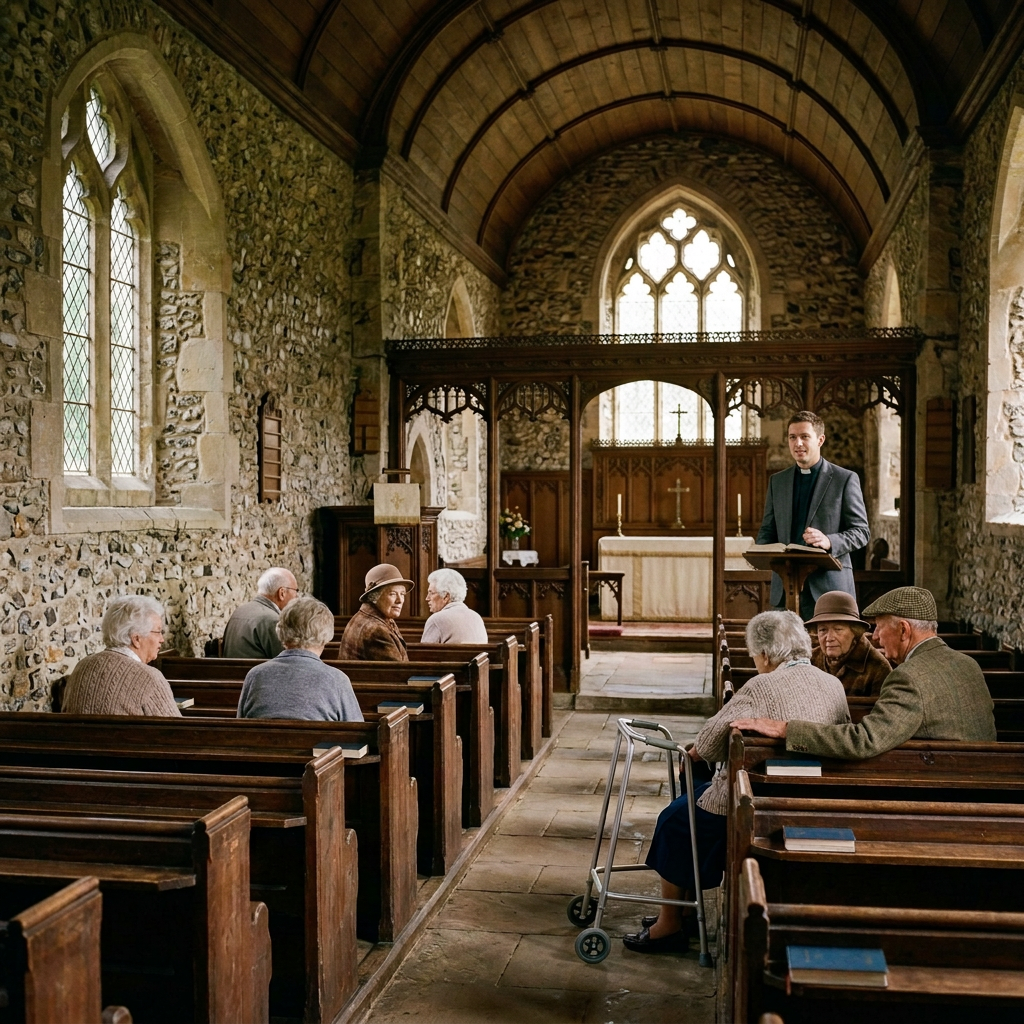
Four older adults walking through a churchyard beside a historic stone church

When No One Remembers

A 97-Year-Old’s Baptism

Remembering the Melodies

Photo by Pixabay on Pexels.com

But Without Faith, It is Impossible to Have Religion

“I don’t have enough faith to be an atheist.”

I hear this from time to time, and it makes me sigh as I try to answer as respectfully as possible. Here’s my best effort: 

“As an atheist,” I say, “I have no faith at all. Instead, I look for truth through direct examination and critical thought.” 

It took a few years to get comfortable with the term “atheist.” I was raised to equate atheism with evil, and I had to summon my courage to come out and say I was one.

I finally got past the discomfort. However, I’m still not particularly satisfied with the term because I don’t like defining myself by what I don’t think. 

My values define me better. 

I often call myself a humanist because I value people and have spent my life helping them when possible. I value qualities that aid in the betterment of humanity, such as compassion, bravery, and generosity. I also love humor, beauty, passion, creativity, and human connection. 

I value gentleness, truth, and love, and I think those qualities can’t exist unless they are connected with each other. I hate lying and greed, which are also often associated with each other. I’m outraged by poverty, cruelty, unfairness, and violence. 

I value the scientific process, although I leaned more toward the humanities in school. I support education that teaches critical thinking, which can lead people to confront fallacies, correct mistakes, and motivate them to grow. I ask questions and engage in critical thought, and I appreciate clarity but leave room for discovery and possibility. 

Proponents of religions claim to promote virtue and wisdom, which, if true, would lead them to value many of the same things I do. But instead, they are often threatened if confronted by facts that challenge their assumptions based on their faith, and their fear can lead to denial, anger, and even violence.  

Some say my atheism is a form of religion. I don’t think so, but for the sake of discussion, if I were to establish a religion, here’s what it would include: 

First, no evangelism. By all means, let’s discuss, persuade each other, and even argue. But combining the promise of love with the threat of condemnation is manipulation, and even brainwashing.

Second, I enjoy watching events unfold, so I don’t need to guess the future and call it prophecy.   

Next, I welcome empirical study but not groundless faith.

Most religions establish rules for moral conduct. I realize that society must have various forms of legislation, and I am content to let the established entities continue to hammer those out, sometimes with my participation. But my religion does not have elaborate doctrinal laws to inflict on others. As a minister, I expended a ton of energy telling people what to think and do, but my new religion requires respecting people’s right to have their own thoughts and make their own decisions. 

Grammerly has just informed me that I’ve used the word “religion” too many times in this text, and I agree. This is why I left it behind for a life where I help others, observe what’s happening, and watch for what happens next.  

So a religion with no faith is no religion, and that suits me fine.

Will God Answer for His Actions?

The following questions often lurk in the believer’s mind, especially at times like these when we are dealing with the COVID-19 virus.

Over my time as a minister, people whispered these questions to me, often ashamed to put them into words. I’m articulating them in hopes of engaging their thinking.
I’m not asking anyone to justify their theology to me. I don’t need to have answers to these questions anymore. However, I’m happy to have a discussion and I promise to reply back gently and genuinely. I’ll monitor the comments and omit any that are hostile or disrespectful.  


Why does God allow any disease to afflict us?

I used to deflect this one by saying God isn’t really doing this to us, but that in some way we’re doing it to ourselves. But if God is Lord of everything, doesn’t that make him responsible for everything including the COVID-19 virus?


Why does he indiscriminately hurt everyone?

Some say sickness is punishment for specific sins that some people are committing. For instance, it’s popular to blame the LGBT, saying we are all suffering for their sinful lifestyle. It’s an ugly accusation, and it makes no sense. Why wouldn’t God specifically target a group with whom he is angry?

Others say we’re being punished for the general sinfulness of the world, but that’s not really fair, either. Some are worse than others and some are more innocent.

I know–one sin is as bad as another in the Christian religion (James 2:10). But c’mon! We all know that isn’t so. Angry babies aren’t as guilty as bank robbers.


How does our suffering prove God’s love for us?

Some refer to Hebrews 12:6, saying that God isn’t out to hurt us but in fact is disciplining us because he loves us so much.

Really? Abusive parents say the same thing when they beat their children.


How does allowing us to suffer reveal God’s mercy?

Many say our suffering is a natural consequence of our actions. We bring it on ourselves and we have to get ourselves out of it. The babies have to suffer right along with the bank robbers because we brought it on ourselves collectively.

So… God won’t help us out with this because it’s our fault? Isn’t he supposed to be merciful? Isn’t he interested in “saving us from our sins?” When my kids were about to hurt themselves seriously, I intervened. The heavenly father doesn’t do that, too?


Is God just… mean?

Could it be that God doesn’t really love us? Is he playing with us for his amusement and then demanding us to believe he isn’t mean, but in fact is loving and kind.? Again, I refer back to the comparison of an abusive parent.


Is God limited in his power?

Maybe God does care for us but he’s not infinitely powerful, as he’s purported to be. After the creation, the plagues, and the resurrection, maybe he tapped out and now we’re on our own.

Anytime we get this far in the conversation, someone wants to say that God’s ways are not our ways and God’s thoughts are not our thoughts (Isaiah 55:8-9), meaning that we’re not smart enough to comprehend the ways of God.

You’re telling me that God, who supposedly had a whole Bible to reveal himself to us, whose son spent all that time teaching about the kingdom of heaven, has failed in the attempt to communicate? Isn’t he great enough to overcome our weaknesses?


Is it wrong to ask questions?

Now we’re at the point where someone says I should have faith in God’s power and good intentions. We shouldn’t allow ourselves to question God. Such questions create doubt. We should not “allow Satan a foothold….”

Really? No questions at all? We’re all sort of an interested party here when it comes to COVID-19. If he’s doing this to us or simply allowing this to happen when he could stop it, is it fair for him to get angry when we ask questions?

Let’s just concede that I’m being deliberately dense, that I can’t see the truth because I don’t want to see it, and I would be much better off if I accepted God’s will without question.

Is that working for you? Are you relieved of fear? Are you experiencing that peace that passes understanding?

If you say yes, I don’t believe you.

I spent thirty-five years trying to allay the fear and anxiety that people in my churches experienced. I tried to explain away the inconsistencies. I tried to help them feel better with the blessed assurance that Jesus was theirs. But it was a temporary fix, at best.


Final Questions:

Why spend time praying to a God who doesn’t answer back, who doesn’t explain himself, and who doesn’t intervene like He promises? Why sing to him and dedicate group praise to him? What exactly has he done to deserve any of our attention as a time when we need each other so much?
Still Here and Still Me

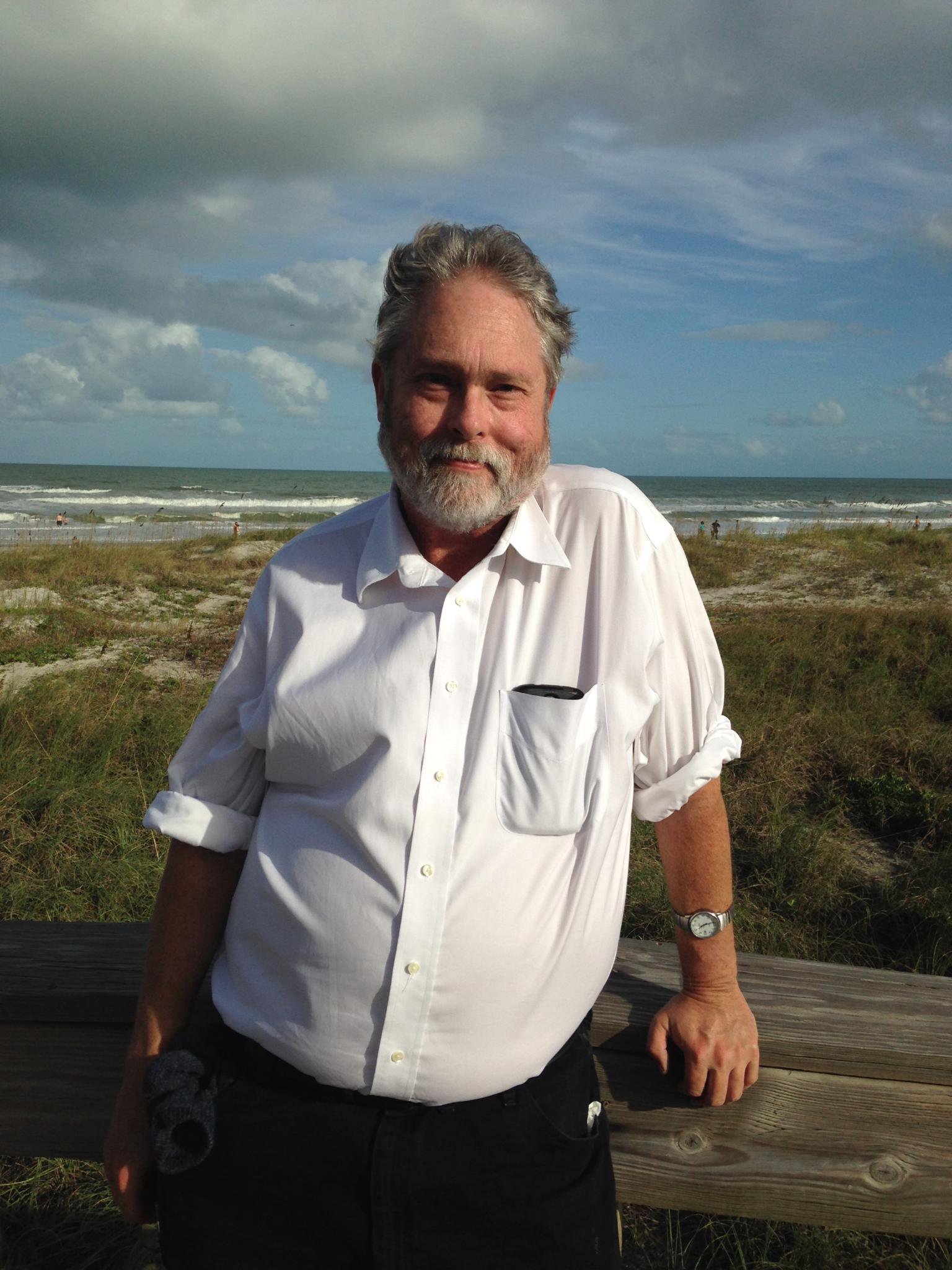
I saw people at my mother’s funeral that I hadn’t seen in forty years.  The last time we were together, I had pimples and I was thin with thick dark hair.    

I have since evolved.

Now I’m thick with thinning gray hair, and the pimples are gone but the liver spots are blooming. 


But I’m still here and I’m still me. I’m still humorous, musical, creative, passionate, loving, and enormously graceful on the dance floor (Remember I said I was still humorous?).     

And to those who have been a part of my life, you haven’t gone away either. You are still with me in my mind.  Our conversations, feelings, experiences… they’re still inside me. They are part of the mix that is my identity.  

My mother died and I’m sad about it.  But I share DNA with her. The memories, her words, laughter, tears, music, squabbles, and struggles… they stayed with me. I don’t have to wait for an unseen heaven to realize that she didn’t really leave me.

I’ve traveled a long way from where I spent most of my life, and I live more privately now. But my friends from childhood, churches, and other communities have stayed with me in my mind through all the big changes.  I’ve had lots of tears and confusion but as they fade, I observe that I still have great love. 

I’m still me and I’m still here.  But I’m still evolving too.

I Won’t Stay Quiet

David, you’re hurting the church.  Why can’t you just be quiet?

I’ve been told all my life to be quiet for the sake of the church. Sure, I can preach, teach, guide, and help. But don’t challenge anyone or ask questions or express doubts because it hurts the church and I’ll go to hell Plus I could lose my job.

How do my words hurt anyone? The church claims to be an instrument of truth. How do people find truth if they are not allowed to ask, seek, and knock? Is the institution really so fragile that it can’t handle my voicing my thoughts?

When I was a young preacher in the churches of Christ, they taught that instrumental music in worship was evil. I thought it was ridiculous but I had to be careful with my words or I could lose my job. Later, I learned to refrain from voicing a dissenting opinion on baptism in the United Methodist church because I wanted to keep my job. For the same reason, I also kept quiet about much bigger issues, including our relationship with the LGBTQIA.

Yet job security was rarely mentioned. Instead, we spoke of how damaged the church could be if we even brought up these subjects. It’s interesting that an institution with the power to affect my life so dramatically could be so fragile.

Now, I’m still being urged to stay quiet. But I’m not going to. Silence makes us sick. It can even kill. I always wanted to be a healer so I’ll continue to speak up.

I’ll try to be respectful and reasonable. Just not quiet.

What Do I Call Myself?

It’s hard to find the words to describe myself.

Am I a nonbeliever? An agnostic? A heretic?  An infidel?  These terms suggest that I have lost my identity and am reacting erratically  like a bouncing pinball. But I haven’t lost myself. I’m growing up.

 “What happened that made you lose your faith?” asked a friend. 

There was no one event.  Others like me have said it is like “dying from a thousand cuts,” meaning that it happened gradually.

I remember the first time I seriously questioned my belief nearly two decades ago. I was sick and unhappy, and I prayed hard for help.  I didn’t need much–just some kind of reassurance, some indication that the loving God about whom I preached was really there.  It never happened.  How could I not question his existence?  With the exception of one friend, everyone shushed me and told me not to let my mind entertain doubts. 

I did what they told me. I decided that no matter what, I would continue to believe. I continued to develop my career as a minister. I went back to school and got my Master of Divinity.  When I felt doubt I told myself what I told other people: “You still have a choice.”

I chose to believe until I gave up. 

You know what? I lost some friends, a career, and a marriage, but life didn’t end for me. It started to get better.  I started to grow rather than diminish.  A year later, I have a little more peace and feel a little less broken. I have love and happiness. I have new thoughts and new opportunities. 

So back to the question: What do I call myself?

That’s easy.  I am David

Why Aren’t We the Innovators?

Jesus replied, “Very truly I tell you, no one can see the kingdom of God unless they are born again.”

“How can someone be born when they are old?” Nicodemus asked. “Surely they cannot enter a second time into their mother’s womb to be born!”

“You are Israel’s teacher,” said Jesus, “and do you not understand these things?”

–John 3:3-4, 10 (NIV).

————————————————–

We followed mirages,

And fought over their reality.

I tried to help carry others

But now I don’t.

I stumble forward by myself…

—————————————————-

We brought in an enthusiastic speaker to get us revved up. He spoke our old beliefs as if they were brand new. He was funny, positive, and spoke in a rhythmic cadence that invited us to shout our hallelujahs and amens.

“Turn to your neighbor and say, ‘Jesus is ALIVE!’” And everyone did but me.

Later, a friend asked me “What did you think of it?”

“I think everything we said tonight was exactly the same as what we said in the 1970s, only we’re all grayer and slower.”

“Maybe we need to be reminded to go back to our old ways,” my friend suggested.

Maybe our old ways led to our decline,” I countered.

Jesus once said that we must be born again. He didn’t mean that we needed to return to infantile ways or to go back to do it all again the same way. I think he was saying to let go of the old ways and become something that we have never been before. We need to reach higher planes of awareness by thinking new thoughts and dreaming new dreams.

But we’re not doing that. We never have. The church has always expended most of its energy in staying exactly the same, keeping the same beliefs intact, and repeating the same activities. In fact, people will fight hard against newness and they hurt those who challenge the church effectively.

Why?

Why isn’t the church a champion for creativity, experimentation, and innovation? Why didn’t we celebrate Copernicus and Galileo? Why aren’t we more curious about scientific discovery? Why aren’t we leading the way in social change?

I don’t know. And to tell the truth, I’m losing interest in analyzing why we’ve failed. I’m only interested in moving forward, even if it’s by myself.

The apostle Paul once said that we were baptized to walk in newness of life. But we are scared to do it. It’s much easier to march toward death while insisting we are right.