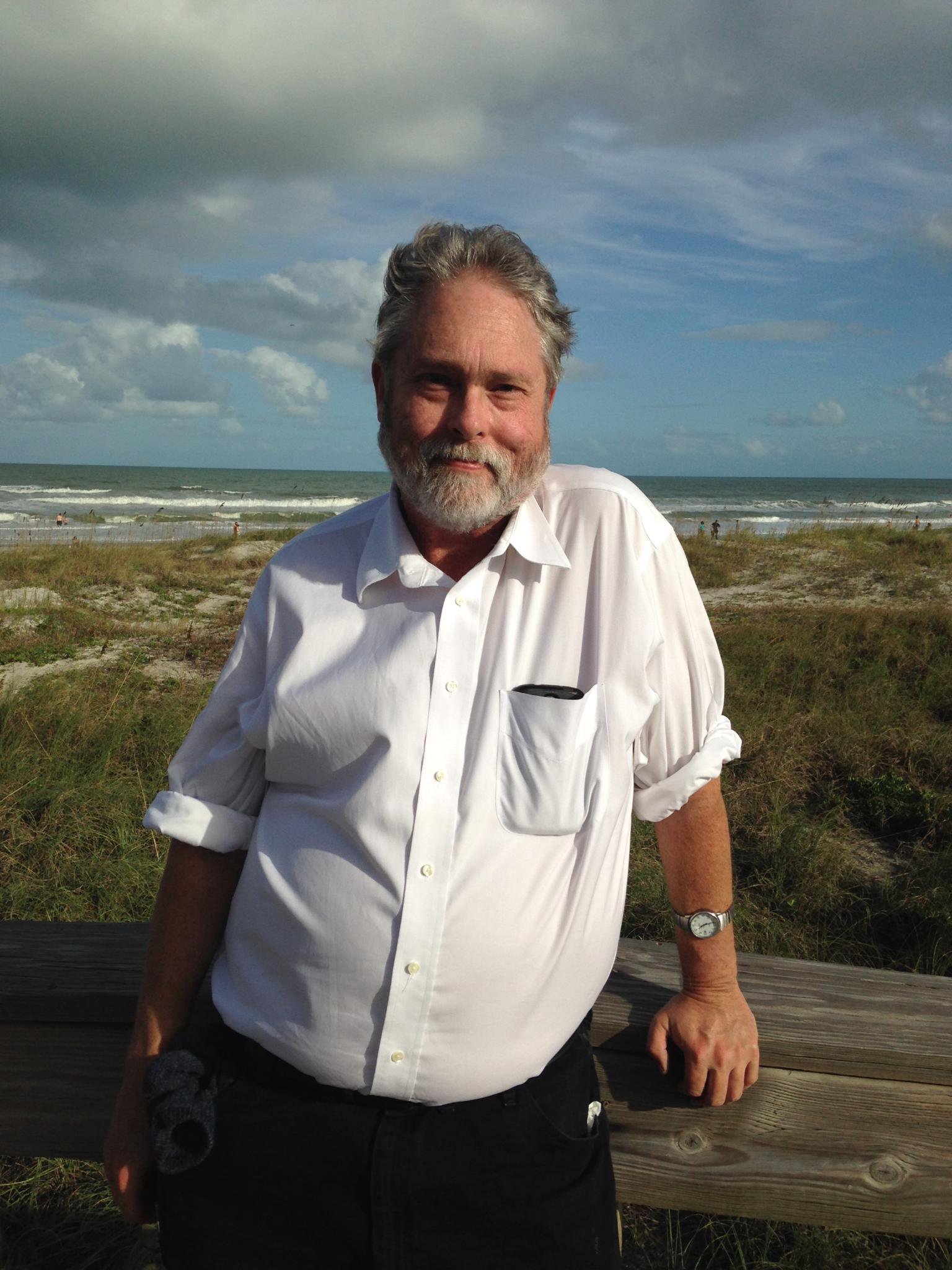
I’m scared like everyone else right now. I have one of those essential jobs where I come out of isolation to sell groceries to people, some of whom could be contagious. The anxiety hangs on me like an extra weight that I carry wherever I go. Sometimes it gets me down but it’s my job and there’s nothing to do but stand back up, carry on, and take precautions as best I can.
I also feel an exhilaration similar to when I was a minister and provided help in times of crisis. These days, while I may be an anonymous cashier, I get the occasional chance to encourage strangers as they pay for their groceries. Somehow, the risk makes the work feel more meaningful.
Many folks go to the supermarket because they’re hungry not only for food but for company and so shopping is their social event for the day. I smile and joke with them about how our only recreation now is Netflix and fattening food. And we’ll laugh about not having any excuses to not clean house now. Then we’ll conclude our transactions and encourage each other to stay safe and healthy.
Some people are glum and focused inward. It’s a judgment call as to whether I should respect their privacy or go in to draw them out.
“It’s kind of scary out there, isn’t it?” I might say. Sometimes it’s enough to get them to share their stories:
“I never dreamed it would get this bad….”
“My mother is 78 years old with a heart condition….”
“I don’t know when I’ll go back to work again….”
“My child has asthma….”
I remember a man who murmured how afraid he was. I said I was too and then I searched for words that wouldn’t sound too preachy and would lend him courage. I said, “There’s nothing to do but hang in there, and that’s what you and I are going to do, huh?” He nodded and squared his shoulders as he walked out.
Another young man came through the line to purchase a cake and candles.
“Whose birthday is it?” I said.
“Mine,” he said shyly.
He was twenty-two that day. I asked if he had anyone who would celebrate with him and he shrugged saying he was by himself, unable to get home to his family who lived across an ocean from him. I thought about my sons who live far from me. I wanted to shake his hand, maybe pat his shoulder… oh hell, I wanted to give him a hug, but of course, we all have to keep our distance now.
So I gave a big smile and pointed at him, saying, “Happy birthday, my friend. I am very glad you were born twenty-two years ago.”
I cried when I told Sylvia about it later.
For me, being amidst the people, saying something that helps a little, and connecting for just a moment, gives me a boost and allows me to carry my own fear with a little more grace.
I like it even though it also brings back an old fatigue that always follows the exhilaration. I let it all go when I left the ministry but I always knew I’d somehow pick it up again, this time without the baggage of religion.
I’m going to work now. It’s essential.

