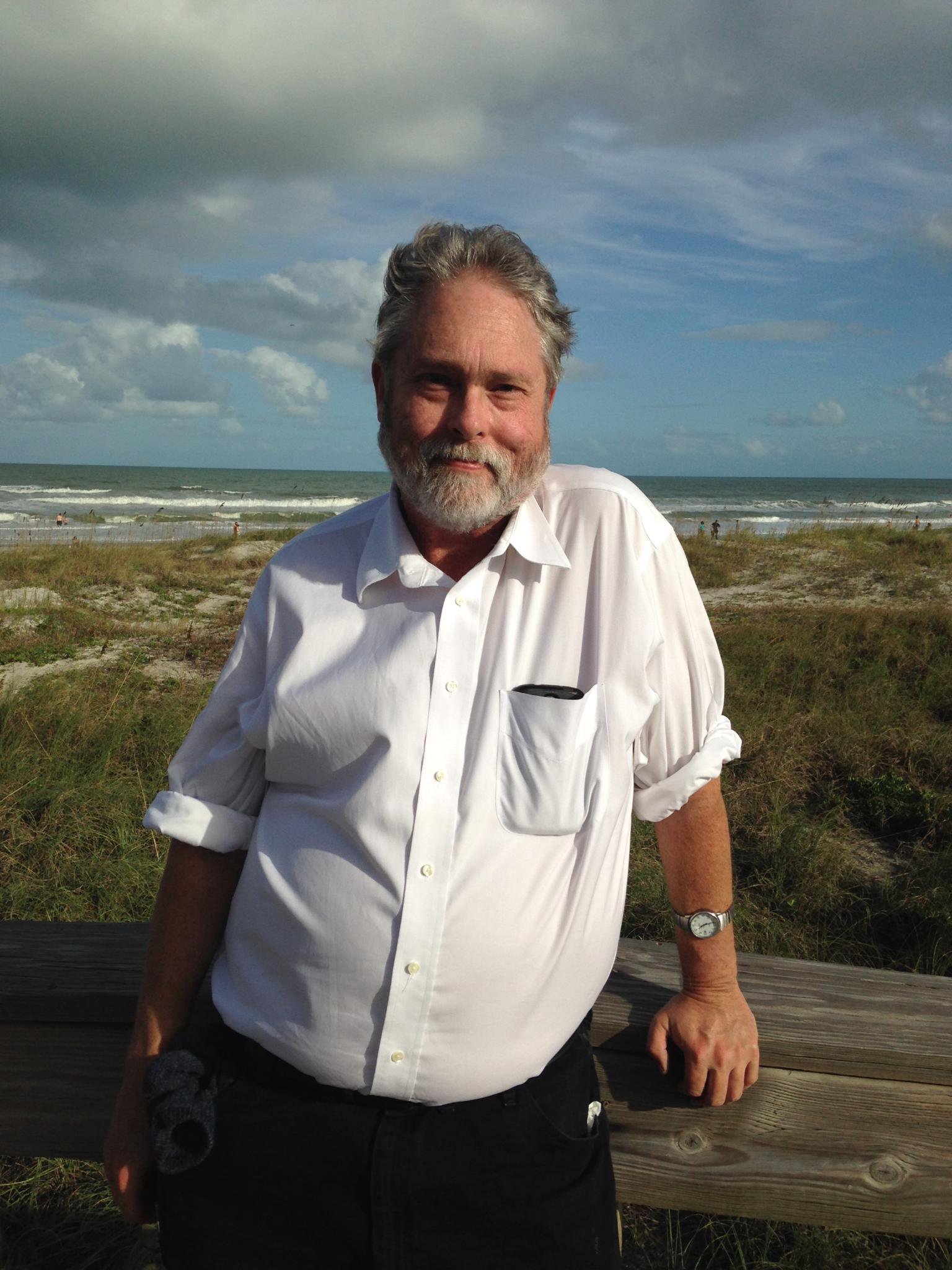
One Final Gift

The week between Christmas and the New Year was always pretty quiet when I was a minister.  The frantic holiday activity stopped abruptly on December 25 and I could relax a bit.  However, I always stayed in town on the job because authentic moments for ministry often occurred then.

I did a lot of funerals during that week of the year. Some people hold on as hard as they can to make it to one more Christmas before they give in and allow themselves to pass on.  Other people give up earlier, or sometimes commit suicide because they don’t have any fight left  and they can’t stand facing the holiday again.

One sturdy soul stands out in my memory who ended things a little differently.   Earlier that year she had developed a fast growing cancer. As she declined rapidly, the holiday season drew near. She acknowledged that her time was short but insisted that she would not be dying on Christmas Day because she didn’t want to ruin the holiday for the family.

However, no matter how much she protested, it appeared that her last moments would indeed be on Christmas Day. 

I made my pastoral call that morning.  She lay in the hospital bed in the living room, surrounded by family.  I noted her uneven, rattled breathing and I was sure she wouldn’t make it through the day.  The family could see it too and they stayed close to express their love and farewells. It was beautiful, really–a fitting end to a life lived well. 

But…

She had made a promise to herself and to her family, so this story isn’t done yet.

One little girl–a niece I think–couldn’t be as quiet and dignified as the rest of the family.  She knelt by the bed, laid her head on her aunt’s breast and sobbed uncontrollably. 

And that’s when I saw… one last time… the amazing quality this woman had always possessed. 

She took a deep breath, set her jaw, and raised her hand to stroke her niece’s head.  Then she set out to hold the line against her own demise for the sake of this girl as well as the rest of her loved ones.

Her gift that year was two more days of life.  

Stories are often told of heroes who do amazing things. Sometimes they’re true, often they’re fictional, and they’re told with drama and action.  But true heroism is often acted out with quiet determination by frail people who refuse to give up for the sake of the people they love.

Merry Christmas and happy new year.
Reactions

“I was a minister for a long time,” I say, “but I left because I don’t believe in God anymore.”

Inevitably, this happens in the polite “getting know you” part of the conversation.  If I try to avoid saying it, it just gets it more awkward, so I come right out with it.  

I thought about inventing a different backstory:  I was a pirate…  Or I’m in the Protected Witness Program…  Or I bumped my head and don’t remember anything… by the way, are you my mommy?

I guess not.

People are gracious about it, even if they’re shocked.  No one has challenged me to fisticuffs, pistols, or dueling Bibles. However, they really don’t know what to say and I guess I still don’t either.

I remember one guy I encountered at the library. We’d had just gotten into the introductions when he asked what I did for a living.  He became so quiet when I told him that I could almost hear the gears whirring in his head as he considered his words: Don’t blow it!  This is my big chance to reclaim one of God’s lost lambs. Is there a verse I can quote?

I suggested he relax and tell me about his work (he was a minister). 

Some will invite me to their church, assuring me that theirs is different from all the others, which I doubt is true. In any case, I’m not going to go, but I usually respond with a quiet thank you. 

A lot of people ask me if something happened, perhaps a loss or illness, etc.  I consider the loneliness, depression, and confusion I’ve experienced.   One thing…?  

“Not really,” I answer.  

Some have said, “Maybe God is not through with you yet.”

This is where a flash of anger goes through me and I want to say, “Let me be clear. If your God exists, I’m through with HIM!” But they didn’t intend to be hurtful so I offer a nod and a pleasant smile.  

One guy lit up when I told him I no longer believed. He took it as a challenge to win me over, and so he “witnessed” to me, telling what God had done in his life.  I don’t think he took a breath for two hours.  He nearly wore me out before I could get away. 

Some people feel guilty, like they’re responsible for my “fall.” Again, I have to tamp down the initial angry response.  “I didn’t fall and I’m not lost. You didn’t cause this. I make my own decisions.”  

I usually just say, “It’s okay. It’s not anyone’s fault.”  

Then there are those who become afraid after I tell them. Mostly, their fear is wordless but they say enough to indicate they’re frightened about all they would lose  if I’m right and they’re wrong. I feel bad for them and I try to reassure them. I might reach out to pat them on the shoulder like I would have when I was a minister.  “It’s okay,” I say, “I’m not trying to win you over to my side.” But most of the time I can’t be reassuring enough and they slip away out danger.  

This discussion makes us all tense. I haven’t found a smooth way to get into it, even when I’m simply introducing myself.  I guess the first lesson is for me to get more comfortable with myself.  Then maybe I’ll be able to help others feel more comfortable around me. Even if I can’t, I’ll still feel be more relaxed.

You Told Me To… and I Did

“What happened to you, David?

“When you were young, we were so proud. You grew up in our church. You knew the answers in Sunday school. You sang the hymns. You were baptized at the proper age of twelve. Later, you went to the youth gatherings and said the sweetest prayers. We watched you go off to Bible college and we knew you’d become a fine little preacher.

“What happened to you? Did we do something to cause you to fall away?”

Well… Let me put it to you this way:

You said to pray every day, and I did. But when I whispered to you that it didn’t seem like anyone was listening, you said to try harder, so I did, and it didn’t help.

You said to study the Bible, and I did. But when I became an expert in biblical studies and told you that the Bible said things you never told me about, you were indignant.

You said to tell the truth, and I did. But you didn’t like hearing something other than what you’d always heard and so you urged me to hush before I got into trouble.

You said to love the unlovely, and I did. But I found that you didn’t mean the homeless, and Blacks and Hispanics and those homosexuals.

You ask what happened to me. The answer is I did what you told me to do. In some ways,  I still do.

“Now hold on, you can’t blame us. We never claimed to be perfect but it’s not our fault that you fell from the one true way. You have to take responsibility for your own actions. You have to think for yourself.”

I do. My life is my own. You don’t have to take any blame for how I turned out.

Can’t We Still Be Friends?

Religious belief is not a matter of intellectual choice or emotional attachment.  For most of us it’s a powerful legacy passed on to us and it’s not easy to leave.  However, when we do, we leave behind a community which can include profound friendships, parents, siblings, grandparents, cousins, spouses, and even children.

I did not experience the angry exchanges as other newly outed atheists have.  People were gracious to me. I wasn’t fired from my job. I voluntarily left my career.  But many people I have known and loved the longest have faded away.

It’s understandable enough. Our paths take different directions that can separate us.  I don’t work alongside them, anymore.  I relocated so I don’t run into them at the supermarket.  But there’s no denying that many have chosen not to engage with me anymore.

A few stayed with me. They know who they are and I appreciate them.  I also think many people keep a quiet watch over me but they can’t appear too friendly without risking their other relationships. I get that, and I sympathize. 

Of course, breaks in relationships are often messier than I just described.  I look back and see real mistakes I made that contributed to some of my losses.  However, it’s clear to me that I’ve lost people because I no longer share their religion.

I was hoping I could have my own thoughts, express my views, and even debate them strenuously, yet stay friends. Is that possible? I still love these people and would never reject them. In fact, I’m still here for them.


Church Camp

I tried to love church camp like my colleagues claimed to, but I couldn’t. Being away from my family for a week or two, exposed to nature’s bugs, skunks, and snakes, plus sleeping in an unairconditioned cabin with a bunch of preadolescent boys was never my idea of a good time.

Call me a poor sport. Call me a sissy. Just don’t call me to be a camp counselor ever again.

But more importantly than my discomfort, I have some real concerns for the kids that attend.

First, let me say I’ve hesitated to speak about this because I have dear friends who have invested themselves in giving kids good experiences in camp. They have no intention of engineering a manipulative atmosphere as revealed in the documentary, Jesus Camp.  I’ll even agree that many camp leaders, especially in United Methodist camps, are diligent in showing respect for the campers.  Furthermore, many people tell me they have great memories of attending church camp.

I believe them but I’m still concerned. I say that even with the best intentions, there’s a great deal of manipulation happening in church camps.

Tell me I’m wrong… that these elements are not in church camps:

Isolation where young ones are away from home and family.

Sleep deprivation where they wake up early and stay up late.

Exhaustion from physical activities including long hikes.

Indoctrination from the small group sharing sessions, exciting music, emotional storytelling, using scripture like incantations, and pressuring the children to give their hearts to Jesus.

Of course the kids respond to the invitation… sobbing as they stumble up the aisles, offering themselves to God, mistaking their fatigue for spirituality.

I actually helped at these camps, thinking it was good for the kids. But I’ve changed my mind and I’m sorry I was ever a part of them. Again, I don’t think those who led these camps meant to hurt anyone. They were trying to help, to give kids a good experience.

But I still think it’s wrong.

One of My Biggest Regrets

They’d never seen me mad before and it startled everyone in that church board meeting.  I’d raised my voice and threatened to quit, which I thought was quite restrained of me considering that I wanted to rip the tables and chairs out of my path to put my hands on the guy who had just spoken critically of my wife.

I later apologized for my anger but every week when I saw that guy in church, I had to resist the urge to grab him by the lapels, pin him to the wall, and express my feelings.

It was several years ago and my former wife and I have gone our separate ways. However, I still feel a bitter rage wash over me when I think of that moment.  To be fair, my anger is not from that one instance and it’s not just at that one person (although I hope never to see him again).

One of the biggest regrets I have is how much I expected my family to contribute to my professional ministry.  I made my kids come to the church activities and I pressed my spouse into service.  Whenever I went to interview for a new job, my family had to be interviewed too.

I was raised in a minister’s home and so I never thought it inappropriate for a church to have expectations of the preacher’s family.  But it was pointed out to me recently that no other organization can expect an employee’s family to participate in his or her profession.

A few of my churches treated my wife and children decently but most of the years were grim for the family, where they were used up with little recognition. I’m angry at myself for allowing it.  If I had it to do over, I would tell my family that I did not expect them to participate in any church activities—worship, classes, potlucks, VBS, etc—unless they wanted to.  And I would tell my church leadership not to expect anything of them.

To all my minister friends, I encourage you to do what I failed to do and protect your families. Release them from obligation to participate in your profession with you.


See David Mercer’s new website:  damercerlife.com


Cleaning My Desk, Clearing My Mind

by David Mercer
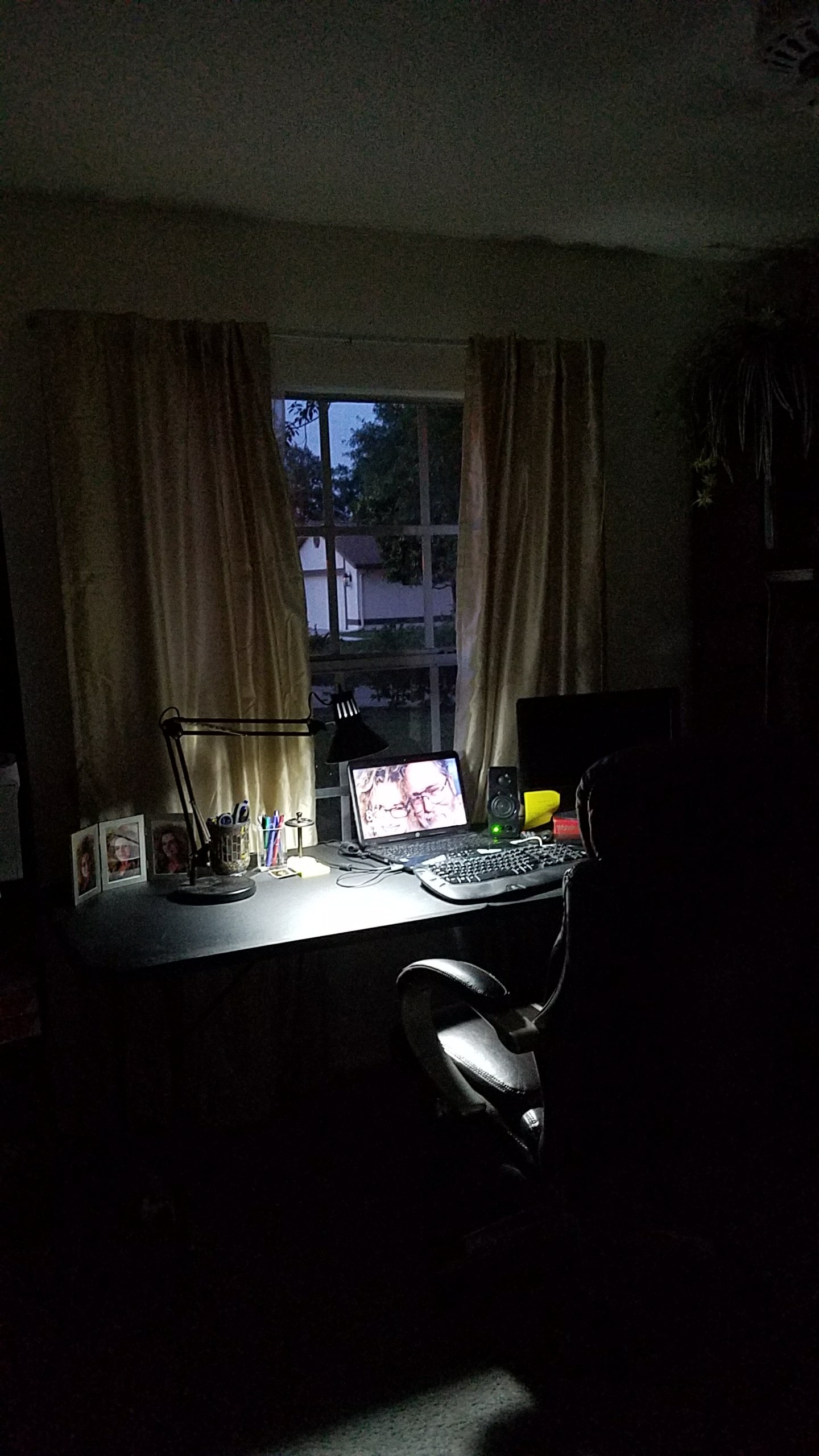
I cleaned my office. It took all day. It has always been a challenge to keep a clear desk but this has been different. I never really settled into this room. When I moved in with Sylvia, she gave me the front bedroom, and I just dumped everything into it and worked around the piles of stuff for the last year and a half. I couldn’t face the mess that represented my life.
But I got a new filing cabinet and sorted through everything, considering each item and letting the memories come without being afraid. Paper clips, Tax returns, pictures, divorce decree, pension, journals, old checkbooks, pens, cards and notes from friends. I found things I thought I’d lost including an old laptop that had been buried under books and papers.
It wasn’t awful like I feared that it might be but the task made me reflective
My mind has been like my desk, with words, feelings, fears, and regrets piled high. But there is also joy mixed with hope and love. My writing has allowed me to reach into the cyclone of thoughts and pull out one or two at a time to examine. The winds of passion remain while some of the fear is abating. And like my desk, things are a little more orderly now.
I needed to organize my office and my mind in order to begin my next big work, which I’ll be sharing with you soon.

The Meaning of Stardust

I did my first nonreligious funeral yesterday. 

In my final two years of formal ministry, I didn’t believe in heaven or hell but my audience did and I wasn’t going to open up a debate in the funeral chapel. It became increasingly difficult to stay within the parameters of Christian sentiment so I relied more and more on liturgical texts to get me through the service.

Now I’m writing my own thoughts.  No liturgies. No divinely inspired words.  No oracles of any kind. Just my stuff. 

Here’s what came to me yesterday:

20151219_205424
photo by David Mercer

I’m told that all matter comes from stardust. For a moment in time, tiny space particles  came together to make something extraordinary–a human being.  I suggest that this body has changed form and has come a step closer to its original oneness with the universe. I wonder what new life will be formed next from these remains.

And what will we make of the remainder of our lives? 

I spent a lot of decades coming to the conclusion that everything that happens in our lives–our losses and gains, sadness and happiness, success and failure, hatred and love–has only the meaning we make of it using our perspective, wisdom, and practice. We take what has occurred up to this moment and use it to give meaning to the next one.

“I used to say, “Ashes to ashes and dust to dust” 

Now I say, “Stardust to stardust and moment to moment.”  

The Fog is Lifting

Road on the plainsState-Route-325-1024x768

The sky was clear but my mind was in a fog as I drove across the plains of northwest Oklahoma.  I had just passed my last interview and was headed home. Later in the spring the Bishop would lay his hands on my head during a special worship service and I would be fully ordained in the United Methodist Church.  I had worked so hard for this that I should have been happy.

I mean, I was happy. Really. I think. 

Okay, I was confused.  

I had been a pastor for another more conservative denomination when I transferred to the United Methodist Church.  Although I didn’t qualify for full ordination I could still serve at a small congregation while I completed my credentials.

It took nine years

It takes a lot of effort, education, and aggravation to become fully ordained in the United Methodist Church.  While I worked full time at the church, I also worked on my Master of Divinity, which is twice the size of most master’s degrees (85 credit hours). Then there’s a three year period of examinations, questionnaires, readings, interviews, and an intense psychological profile.

Many people wash out, but I didn’t stop until I was done.  

Like I said, when I was done, I found myself confused.  I should have been pleased but I found myself falling into depression. Eventually, I shook it off and focused on my pastoral duties.

But another nine years have gone by now.

Earlier this week, after a leave of absence, I wrote to the Bishop and my District Superintendent and relinquished my hard won credentials.

I didn’t leave because I was hurt or angry. I didn’t leave because the church is full of flawed people. I didn’t leave over the conflicts that threaten to divide the denomination. I didn’t leave because I was failing at the work.

I left because I finally admitted to myself that I don’t believe God exists.

I tried so hard. Life would have been much easier if I just continued to force myself to believe.

But I couldn’t. 

I still love the people to whom I ministered. I got angry with them at times but the last thing I ever wanted was to hurt them. I still care for them. I still want to help. I miss them.

I just can’t believe with them. 

It has been a long time but the fog is lifting.