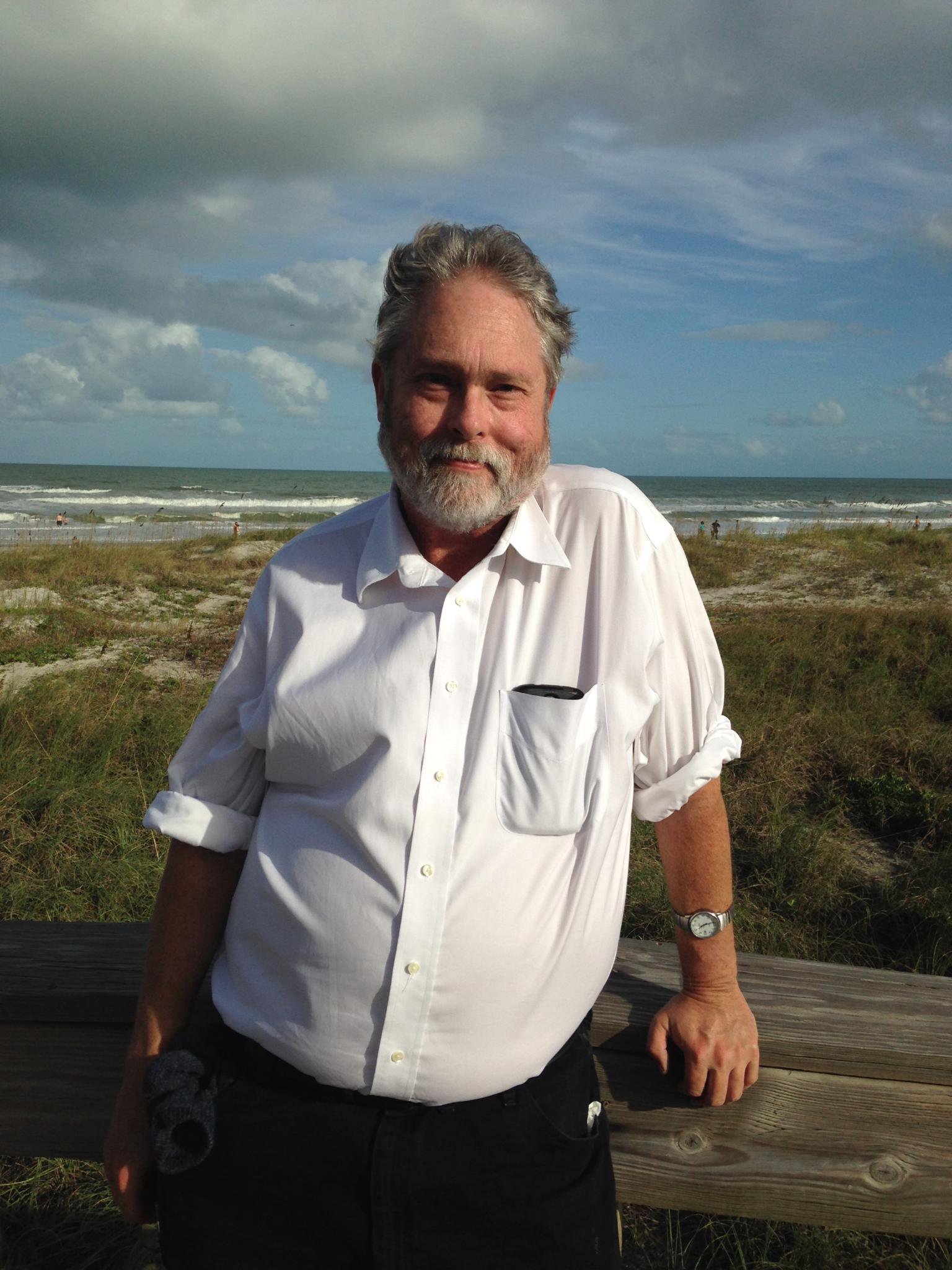
I’m Done

I’m done. 

I know I know. I was done five years ago when I quit church, religion, and career.  But I’ve come to realize that I’m really, really done.  I mean it… truly… emphatically… no fooling… probably.  

I’ve daydreamed a bit that I would find a way to return. Not as a believer but as a minister who still cares for his people.  I imagined going back, reclaiming my pulpit, and preaching a new message where people can find hope in their hearts and each other, rather than in a god who is reported to be loving but has a record indicating otherwise.

But I won’t be going back. Other people have tried. In Acts 7, when Stephen stood before his own people and preached of a new understanding of God, they covered their ears, gnashed their teeth, picked up rocks, and stoned the guy to death.  That won’t happen to me because I don’t see being invited to speak to any of my churches again.

I could start one of those atheist churches where people gather to sing, hear lectures, and take up humanist causes.  That’s not bad but just walking into one of those places brings back bitter memories of churches with their political bickering and endless efforts of self maintenance rather than ministry. I know groups that do good things and I’m supportive in spirit, but  someone else can be the leader because I’m done.  Perhaps I can speak and write occasionally for them but that’s it.   

I liked doing pastoral work.  Actually, I loved doing pastoral work.  I liked checking up on the welfare of people. I liked visiting hospitals and nursing homes. I loved hospice work.  I liked being called on in times of crisis.  I was good at counseling and comforting. I performed funerals that helped families feel better.  I’ve not really been able to let those things go. 

In fact, these days I call myself a secular pastor and I can do the same work without the religious emphasis. But I can’t do it every day like I did before. I’m still recovering from the three and a half decades of witnessing other people’s sickness, sadness, and crises.  So I do a little… the things that crop up with friends, family, and the occasional stranger. But even the little I do costs me emotionally, bringing back the traumas of people I helped in years past. 

I’m also glad to be done with all the attention. I’ve been in the public’s eye all my life–first, as a preacher’s kid and then as a preacher myself. I thought I would miss the attention but I really don’t and often I feel relieved to lead a quieter life. 

It took me five years to let it all go, sort of.  And I’m still in startup regarding the remainder of my professional years.  So far it has evolved to where I work as a cashier and a substitute teacher so I can fund my work as a writer. Evolution never stops, so I’ll let you know what happens next.

A Place at the Table

I wrote this several years ago when I was still a preacher and I published it in my anonymous blog, Clergy Guy. Maybe it will help some understand more about real ministers.

I was at a ministers’ meeting feeling grumpy because I didn’t want to be there. I sat at a table with colleagues who didn’t want to be there either.  I didn’t know them all, but I could see they were all ministers.  Trust me, we recognize each other.

However, there was one man at the table whom I was sure was not a minister, although he was dressed like one with his dark suit and tie. He looked a little like most of us, too–big, overweight, with that indefinable quality of oddness we persons of the cloth often possess.  But he wasn’t one of us, no matter how much he looked the part. I can’t tell you how I knew that, but I did.  Trust me, we recognize each other. 

After a few minutes, he leaned over to me and gestured toward the rest of the room where hundreds of other ministers were gathered.

“All these people sit with their classmates from seminary.” he said. “It happens at all these events.  They only talk to people in their class.  You ever noticed that?” 

“Not really,” I said. 

“Oh, it’s true,” he assured me.

No it wasn’t but I didn’t argue.

“I notice things like that,” he said importantly, “I’m a people watcher.”

“Really?” I said.

“Yeah. It’s kind of my hobby.  When my wife makes me go to the mall with her, I’m never bored. I just watch all the people go by. It’s very entertaining .”

I smiled and nodded just as if I was interested.  I didn’t like him. What was this guy doing here?

I looked at a friend sitting across from me.  He was a high mileage minister like me who, also like me, had eschewed the conventional coat and tie for this event. He’s goofy and quite outrageous in a soft spoken manner, but he still has the pastor’s presence–that carriage of caring authority. Other ministers, who were better dressed than him or me, sat on either side of him.  We like to be around him because he makes us laugh. Not the fake life-of-the-party kind of laugh that we use at church socials, but the helpless belly busting laughter that sad ministers don’t get enough of. 

He’s sad, too, because like the rest of us, he struggles to run a church, arbitrate ludicrous conflicts, raise money, and attract new members, while all the time he is aware that his real job is to calm the turmoil in others, comfort the grieving, and sit with the dying. Another reason for his sadness is that like the rest of us, he feels inadequate for the job.

The man who liked to watch people for entertainment did not belong with us at this table. 

You see, unlike him, we don’t watch people. We watch over people. We watch for the ones who need rescue.  We see the wounds and try to heal them. It’s hard work with a high failure rate, and it’s rarely entertaining.  But it’s the real work that we squeeze in around the committee meetings, training seminars, building campaigns, and potluck socials.

Inside, I sneered at this guy who watches people. But now that I’m alone and have time to process, I think about what he really said to me. 

He watches people who don’t see him and perhaps like me they are irritated when he insists on being noticed.  

Yesterday he sat, invisible again, in a room of hundreds of ministers. He was dressed the same as everyone else, but wasn’t really one of us and he thought he had an explanation: 

I’m not in their class. 

Sigh. He was one of those that I’m supposed to be watching for and he was right next to me. 

Like I said. High failure rate. Inadequate for the job.  

The Fog is Lifting

Road on the plainsState-Route-325-1024x768

The sky was clear but my mind was in a fog as I drove across the plains of northwest Oklahoma.  I had just passed my last interview and was headed home. Later in the spring the Bishop would lay his hands on my head during a special worship service and I would be fully ordained in the United Methodist Church.  I had worked so hard for this that I should have been happy.

I mean, I was happy. Really. I think. 

Okay, I was confused.  

I had been a pastor for another more conservative denomination when I transferred to the United Methodist Church.  Although I didn’t qualify for full ordination I could still serve at a small congregation while I completed my credentials.

It took nine years

It takes a lot of effort, education, and aggravation to become fully ordained in the United Methodist Church.  While I worked full time at the church, I also worked on my Master of Divinity, which is twice the size of most master’s degrees (85 credit hours). Then there’s a three year period of examinations, questionnaires, readings, interviews, and an intense psychological profile.

Many people wash out, but I didn’t stop until I was done.  

Like I said, when I was done, I found myself confused.  I should have been pleased but I found myself falling into depression. Eventually, I shook it off and focused on my pastoral duties.

But another nine years have gone by now.

Earlier this week, after a leave of absence, I wrote to the Bishop and my District Superintendent and relinquished my hard won credentials.

I didn’t leave because I was hurt or angry. I didn’t leave because the church is full of flawed people. I didn’t leave over the conflicts that threaten to divide the denomination. I didn’t leave because I was failing at the work.

I left because I finally admitted to myself that I don’t believe God exists.

I tried so hard. Life would have been much easier if I just continued to force myself to believe.

But I couldn’t. 

I still love the people to whom I ministered. I got angry with them at times but the last thing I ever wanted was to hurt them. I still care for them. I still want to help. I miss them.

I just can’t believe with them. 

It has been a long time but the fog is lifting.

Helping: It’s a Reflex

It’s a reflex and I’m not the only one that has it.

I was sitting in the crowded waiting room at the doctor’s office. I may have been ill but I don’t really remember why I was there. Whether or not I was sick, I was definitely tired.

When I heard the thud of someone falling, my head was bowed and my eyes were closed, but I had heard that sound before and I knew someone was down. 

I was out of my chair and moving in an instant and I was halfway across the room before I opened my eyes. It’s a wonder I didn’t stumble and fall myself.  I focused in on the man who had fallen.  Fortunately, he was okay and was already getting himself up so I went back to my seat. 

I like this about myself–that reflex to help which kicks in even when I’m down.

I have left behind many things: my career, friends, my faith. But I still have that reflex.  It comes from deep within my identity, molded by upbringing and training. I may or may not continue to have the professional title of minister but it’s a core part of my personality. It’s not just what I do. It’s what I am and what I’ll always be. 

Perhaps now that I am not so tired and sick, I can be even more effective at it.